

Just look at that sad bean bag chair in your corner; deflated and flat, a shadow of its former full glory. Unfortunately, this is a common fate, but don’t worry! We’ll walk you through the steps on how to refill your bean bag.
Whether it’s a traditional bean bag filled with EPS beads or a new foam-filled version like the Lovesac Sac, don’t stress. Refilling your bean bag is surprisingly simple and will bring your favorite chair back to life.
This guide covers everything: what's inside a bean bag, the different types of filling, how to refill a bean bag step by step, and how to keep it clean along the way.
What's Inside a Bean Bag?
Okay, we’re sure you know the answer…beans, of course? Well, sort of. Some do contain beans, but more practical and comfortable fillings are typical in modern bean bag chairs.
Some of the most common fillings for what’s inside a bean bag include:
1. EPS (Expanded Polystyrene) Beads
The classic bean bag filling. These are the small, lightweight white foam balls you've seen spill dramatically across floors. EPS beads are inexpensive, lightweight, and widely available as refill material. They compress over time with use, which is why bean bags go flat.
2. Memory Foam Chunks
A premium alternative to EPS beads, memory foam filling provides more support and a more "sunk-in" feel. Memory foam filling holds its shape significantly longer than EPS beads and is the preferred choice in high-quality bean bag products.
3. Proprietary Foam Blends (e.g., Lovesac Durafoam™)
This is an important distinction worth highlighting. Full disclosure, Lovesac Sacs are not filled with beans or beads at all. Even better, they are filled with a proprietary Durafoam™ blend which is a multi-density recycled foam filling that provides cloud-like comfort and is designed to hold its shape over time. Lovesac's approach to filling is fundamentally different from a traditional bean bag, which is part of why our Sac inserts carry a lifetime guarantee.
4. Shredded Foam
Shredded polyurethane foam is another popular filling option, often used in budget-to-mid-range bean bags. It's softer than EPS beads but less supportive than a high-density foam blend.
5. Microbeads
Tiny polystyrene beads, smaller than EPS beads. These provide a more “cushy” and smoother feel and are commonly used in smaller cushions and travel pillows. They are less common in full-sized bean bag chairs.
How Often Should You Refill a Bean Bag?
Traditionally, bean bags start to sag and require a refill roughly every one to two years. That’s assuming you sit on it virtually every day. Now you might be thinking, “my bean bag feels fine when I sit on it. Does it need to be refilled?” Here’s a quick checklist.
- The bag sits noticeably flatter than when new
- You can feel the floor or base through the bag
- The bag no longer "hugs" you when you sit in it
- It's lost its shape entirely when unoccupied
Here’s an interesting fact: foam-filled bags like Lovesac Sacs compress much more slowly. Their Durafoam blend is actually crafted for long-term wear and tear, which is why the insert comes with a lifetime guarantee and refilling is rarely necessary under normal use conditions. Not bad for a “not” bean bag!
What You'll Need to Refill a Bean Bag
For EPS bead-filled bags:
- Replacement EPS bean bag beads (measure the volume of your bag, most standard bags need 1–3 cubic feet of filling)
- A large funnel or cardboard tube
- A helper (trust us on this one)
- A clean, low-traffic indoor space (beads are notorious escape artists)
- Tape or a clip to seal the filling tube
For foam-filled bags:
- Replacement foam chunks or shredded foam (available online; measure cubic footage of your bag)
- Scissors to break up large pieces if needed
- A helper for larger bags
For Lovesac Sac owners:
- Contact Lovesac directly for authorized replacement inserts. Using third-party foam may void your warranty and compromise the feel of your Sac
Now that we’ve determined your bean bag definitely needs to be refilled, here’s how to do it. We’ll break it down by filling type to be more specific.
Step-by-Step: How to Fill a Bean Bag (EPS Beads)
Step 1: Prepare Your Space
Choose a room with minimal airflow. Open windows and ceiling fans are your enemy when working with EPS beads. One good gust and they go flying, along with your sanity. Lay down a sheet or tarp to catch any escaped beads. Close any doors to contain the work area.
Step 2: Locate the Zipper or Fill Opening
Most bean bags have a child-safe double zipper or a hidden fill flap. Run your hand around the seams to locate it. Some bags have a safety mechanism that requires two zippers to be operated simultaneously to prevent accidental opening.
Step 3: Set Up Your Funnel
This is where having a helper becomes invaluable. Create a filling tube using a large plastic funnel, a piece of rolled cardboard, or a PVC pipe. Insert one end into the opening of the bean bag. The goal is to guide the beads directly into the bag without giving them an opportunity to escape into your living room.
Step 4: Fill Slowly and Steadily
Have your helper hold the bag opening firmly around the funnel while you pour the EPS beads in gradually. Avoid rushing since pouring too quickly can create static electricity that sends beads flying in every direction. Pause periodically to shake the bag and allow beads to settle.
Step 5: Check the Fill Level
Don't overfill. A bean bag should be firm enough to hold its shape when someone sits in it but still have enough give to mold around the body. As a general rule, fill the bag to about 75–80% capacity for optimal comfort. Overfilling results in a hard, uncomfortable seat.
Step 6: Seal the Opening
Once you've reached the desired fill level, carefully remove the funnel while keeping the bag upright. Seal the zipper or fill flap securely, engaging any safety mechanisms. Double check the closure before repositioning.
Step-by-Step: How to Fill a Bean Bag (Foam Filling)
Step 1: Prepare Your Space
As you probably guessed, foam chunks are easier to manage than EPS beads but can still be unwieldy in large quantities. Give yourself enough room. No pets, no furniture around, etc.
Step 2: Open the Cover and Inner Liner Separately
Foam-filled bean bags typically have an outer cover and an inner liner. Remove the outer cover first, then locate the zipper on the inner liner. Work with the liner directly for the refill process.
Step 3: Add Foam in Sections
Unlike EPS beads, foam chunks can be added by hand in manageable batches. Work in sections, stuffing foam into the base and sides first, then filling toward the top. Compress each batch before adding more to ensure even distribution.
Step 4: Break Up Large Pieces
If your replacement foam arrives in large chunks, use scissors to cut it into smaller pieces for better fill distribution and a more even, comfortable seat surface.
Step 5: Test the Fill
Zip the liner closed temporarily and sit in the bag to test the feel. Add or remove filling as needed until you achieve the desired firmness and shape. Remember that under-filling is better than over-filling; you can always add more.
Step 6: Replace the Outer Cover
Once the fill level is right, replace and zip the outer cover. Many quality bean bags, including Lovesac Sacs, feature machine-washable outer covers which offer a great opportunity to launder the cover before putting it back on.
A Note on Lovesac Sacs: Refilling vs. Replacing
If you own a Lovesac Sac, it's worth understanding that the refilling process is different from a traditional bean bag. The Durafoam™ insert is not designed to be topped up with standard EPS beads or generic foam. The three-density foam blend is what gives the Sac its distinctive feel and longevity, not to mention comfort.
Good news! Even under punishing use (not that we are accusing you of that) Lovesac Sac inserts can hold a firm shape for years. Compare that to the much shorter lifetime of typical bean bag chairs, roughly one to two years. Three if you’re very nice to it.
Lovesac backs this claim up with a lifetime guarantee on all Sac inserts, so if your insert does lose its shape prematurely, the solution is a warranted replacement rather than a DIY refill.
For routine maintenance, focus on the washable covers. Lovesac offers 150+ machine-washable cover options, making it easy to keep your Sac looking and feeling fresh without ever touching the insert.
How to Clean a Bean Bag Chair
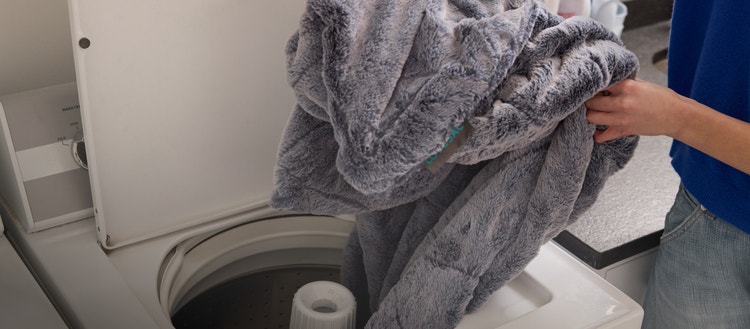
Good job. You now know the proper way to fill a bean bag, whichever type you own. That wasn’t so hard, right? But look how absolutely dirty it is! We need to clean that fast. Here's how to handle it depending on your bag type:
How to Wash a Bean Bag Cover (Removable Covers)
If your bean bag has a removable cover (like all Lovesac Sac covers) the process is straightforward:
- Remove the cover from the insert/liner, following the zipper or closure system
- Check the care label for specific washing instructions
- Machine wash on a gentle cycle with cold water and mild detergent
- Air dry or tumble dry on low, never high heat, which can shrink or damage fabric
- Reattach the cover once completely dry
How to Clean a Bean Bag Without a Removable Cover
For bean bags with fixed covers:
- Spot clean immediately for spills using a damp cloth and mild detergent
- For deeper cleaning, use an upholstery cleaner appropriate for your fabric type
- Allow to air dry completely before use to prevent mold or mildew inside
- Avoid soaking the bag since excess moisture can damage the filling and create odor issues
Cleaning Tips for All Bean Bags:
- Vacuum regularly to remove surface dust, pet hair, and debris
- Address spills immediately before they set
- Rotate the bag periodically to distribute wear evenly
- Sunlight is a natural cleaner: placing your bean bag outside on a dry day can help freshen it up
The Bottom Line
Knowing how to fill a bean bag properly, whether it's filled with EPS beads, shredded foam, or a premium foam blend is a bit like knowing how to change a tire. Sure, you can get others to do it for you, but sometimes it’s just easier to do it yourself. It’s bound to happen eventually, so it’s always a good skill to have.
A simple bean bag refill can extend the life of your furniture by years and save you the cost of replacement. All you need is some filling, maybe a helper, and a little patience.
Just remember, for most bean bag chairs a refill every year or two is pretty standard. For foam-filled bean bags like Lovesac Sacs, they’re designed to stay cushy for much longer, no matter how you treat them.